
Exploring Victorian Theatre at Ally Pally: A Cultural Gem
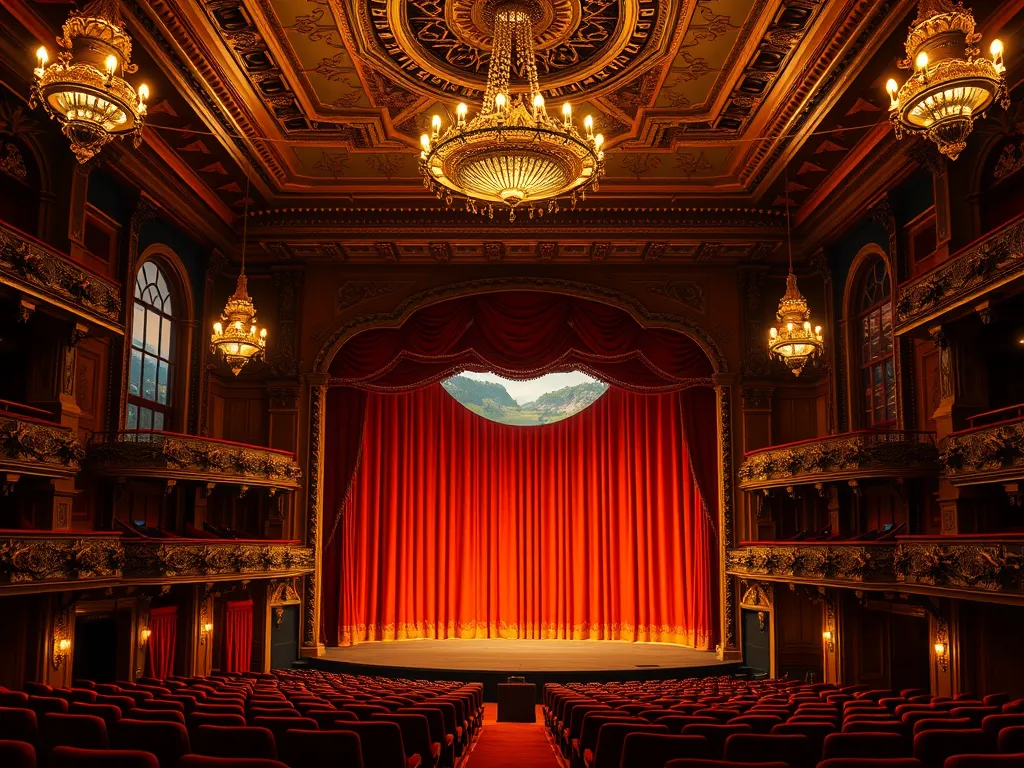
Victorian Theatre at Ally Pally
Victorian Theatre at Ally Pally stands as a testament to the rich cultural heritage and vibrant artistic expression of the Victorian era. Located in the iconic Alexandra Palace in North London, the theatre has played a crucial role in the city’s theatrical landscape since its inception. The Victorian period, spanning from 1837 to 1901, marked a significant evolution in theatrical performance, and Ally Pally became one of the key venues to encapsulate this transformation.
The history of Victorian Theatre at Ally Pally is intertwined with the broader development of theatre in London, showcasing a unique blend of entertainment and innovation. As the theatre landscape evolved during the Victorian era, the performances at Ally Pally ranged from grand operas to lively farces, reflecting the diverse tastes of the audiences of the time. The theatre became a significant cultural hub, attracting visitors from all walks of life, eager to experience the artistic marvels of the period.
The exquisite architecture and rich history of the Victorian Theatre at Ally Pally make it a must-visit landmark for culture enthusiasts.
Throughout its history, the Victorian Theatre at Ally Pally has hosted numerous groundbreaking productions and notable performances. The venue's significance can be felt through the legends that graced its stage and the memorable moments that have become part of the theatre's lore. From famous actors to innovative works, the theatre has been a welcoming stage for creativity, aiming to captivate and entertain its audiences.
Today, the legacy of the Victorian Theatre at Ally Pally continues to impact the arts. It serves as a reminder of a critical period in theatre history, where drama, music, and the performing arts flourished like never before. The theatre's commitment to preserving its heritage while promoting contemporary performances ensures that it remains a pivotal part of London's cultural fabric.
As we delve deeper into the Victorian Theatre at Ally Pally, we will explore its history, architectural significance, and the performances that have made it a beloved landmark in the Victorian theatrical arena, all while acknowledging the theatre's enduring cultural impact on society both then and now.
History of Victorian Theatre
The origins of theatres during the Victorian era can be traced back to the earlier forms of entertainment such as fairs and music halls. However, with the Industrial Revolution came significant changes that allowed for the establishment of more formal theatres. The Victorian era witnessed an explosion of theatre construction, with institutions dedicated to drama and music appearing across London. The Victorian Theatre at Ally Pally opened its doors in 1873 as part of Alexandra Palace, a grand establishment intended to promote arts and culture in the region.
Key figures in Victorian theatre history include renowned playwrights like Oscar Wilde and George Bernard Shaw, as well as actors such as Ellen Terry and Henry Irving. Their contributions helped shape the narrative of theatre during this period, pushing boundaries and exploring complex themes through their works. The presence of such luminaries at Ally Pally enriched the venue's history, attracting numerous audiences and further enhancing its reputation as a cultural hotspot.
Significant events in the development of theatres in London during the Victorian era included the opening of famous venues such as the Lyceum Theatre in 1834 and the Royal Court Theatre in 1870. These establishments set the stage for theatrical innovation, which resonated in performances at Ally Pally. The theatre hosted a variety of shows, from melodramas to operettas, contributing to the diverse theatrical landscape of the time.
Architecture of Ally Pally Theatre
The architectural style of the Victorian era is characterized by ornate details and grand designs, and the Ally Pally Theatre embodies these elements beautifully. The theatre features a unique blend of Gothic and Victorian styles, evident in its elaborate facades, large archways, and intricate interior decor. Such architectural choices not only offered aesthetic appeal but also enhanced the theatrical experience by creating a majestic atmosphere for the audience.
Key features of Ally Pally Theatre's design include its spacious auditorium that allows for optimal acoustics, lavish seating arrangements, and a beautifully designed stage that accommodates a variety of performances. The stained glass windows and unique lighting designs add to the enchanting ambiance, ensuring that each event is a memorable experience for visitors.
Throughout its history, Ally Pally Theatre has undergone several historical renovations and restorations to preserve its grandeur and functionality. These efforts have helped maintain its status as a prominent venue for performances while adapting to modern demands. The careful consideration to restore and preserve the theatre’s original architectural elements has allowed it to continue attracting patrons and artists alike.
Performances at Ally Pally
Notable performances and productions at the Victorian Theatre at Ally Pally include a vast array of genres, involving classical plays, musicals, and variety shows. The theatre's historical significance is enhanced by the paths it paved for contemporary artists, showcasing works that shaped the performative landscape of the era. These productions not only entertained but also raised awareness around significant societal issues.
Famous actors and acts who graced the stage at Ally Pally include legends like Sir Henry Irving and Ellen Terry, who brought their brilliance to the theatre, leaving an indelible mark on audiences and fellow performers. Their celebrated performances helped elevate the theatre's reputation, attracting numerous viewers eager to witness theatrical excellence.
The impact of performances at Ally Pally on local culture has been profound. The theatre became a gathering place for the community, influencing local customs and traditions. The vibrancy and accessibility of the performances fostered a sense of community pride, which was particularly important during the industrial changes in London. The theatre’s popularity also encouraged further artistic exploration and engagement among local residents.
Cultural Impact of Victorian Theatre
The influence of the theatre on Victorian society cannot be understated. Theatre was more than just entertainment; it served as a mirror reflecting the societal changes, struggles, and aspirations of the time. It provided a platform for dialogue on topical issues, encouraging critical thought and discussion among audiences.
The role of theatre in entertainment during the Victorian era is a testament to its popularity. The rise of theatre coincided with greater accessibility to the arts, thanks to growing literacy rates and the overall cultural shifts of the time. It provided an escape for the working class, who sought to experience the joys and tribulations of life vicariously through the stories unfolding on stage.
When compared to modern theatre trends, Victorian theatre laid the foundational structures that continue to inspire today’s performances. The emphasis on storytelling, character development, and thematic exploration remains relevant, although contemporary theatre has expanded its boundaries to include more diverse narratives and experimental forms.
Visiting Ally Pally Theatre Today
Current events and performances at the Victorian Theatre at Ally Pally showcase a diverse range of artistic expressions. From drama and comedy to music and dance, the theatre remains a vibrant space for contemporary performers. The venue also hosts festivals and special events, continually engaging the community and celebrating the arts.
Visitor experiences at Ally Pally Theatre are enriched through guided tours that delve into the theatre's storied past. These tours provide insights into both its architectural marvels and the cultural significance of the performances that have taken place over the years, allowing visitors to appreciate the theatre’s legacy on a more personal level.
Preservation efforts and community involvement are crucial to maintaining the theatre's historical significance. Local initiatives aim to engage the community in the arts, ensuring that the spirit of Victorian theatre continues to thrive at Ally Pally. Through partnerships with local organizations and promotions of ongoing performances, the theatre champions the importance of arts in culture, inviting everyone to partake in its rich legacy.