
Top Strategies to Save London’s Iconic Landmarks
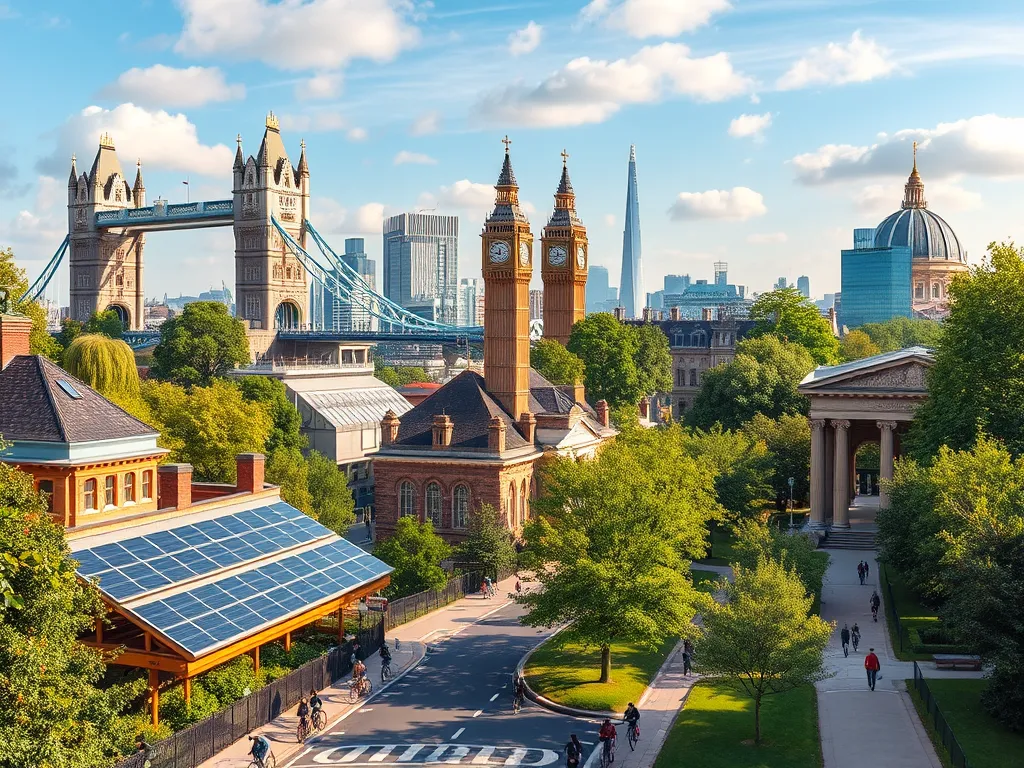
Save London’s Iconic Landmarks
London is a city steeped in history, culture, and architectural grandeur. The call to Save London’s Iconic Landmarks resonates with both locals and visitors alike, as these sites are more than just structures; they are testaments to the city’s rich heritage and collective memory. From the majestic Tower of London to the intricate designs of St. Paul's Cathedral, each landmark tells a unique story that deserves to be preserved for future generations.
The movement to Save London’s Iconic Landmarks is not merely about maintaining old buildings; it's about safeguarding the essence of London. Many of these landmarks are vital to the city's identity and attract millions of tourists each year, contributing significantly to the local economy. Whether it’s the bustling atmosphere around Buckingham Palace or the awe-inspiring beauty of the British Museum, these sites are integral to the vibrant tapestry of London life.
Unfortunately, many of these treasured landmarks face threats from urban development, neglect, and the ravages of time. As London evolves, the fight to Save London’s Iconic Landmarks becomes increasingly crucial. Preservation efforts ensure that these sites can be enjoyed by future generations while also highlighting the need for sustainable practices that respect both the old and the new. Engaging the community in these efforts not only raises awareness but also fosters a sense of pride and ownership over these historical treasures.
The call to Save London’s Iconic Landmarks goes hand in hand with a broader understanding of our cultural identity. Preserving these sites allows us to connect with our past while also providing a foundation for the future. It encourages educational opportunities and cultural exchange, enriching the lives of all who visit or call London home. Each landmark serves as a reminder of the stories, struggles, and triumphs that have shaped the city over centuries.
As we explore the rich history of the city, it's vital to support efforts to Save London’s Iconic Landmarks for future generations.
Ultimately, the movement to Save London’s Iconic Landmarks embodies a commitment to honoring our shared heritage. It urges us to recognize the importance of these structures, not just as relics of the past, but as ongoing narratives that continue to inspire and captivate. By advocating for their preservation, we take a stand for history, culture, and the unique character that defines London.
Historical Significance of London’s Landmarks
Preserving London’s iconic landmarks is essential for maintaining the historical significance they hold. These buildings are a window into the past, reflecting architectural styles, societal values, and historical events that have shaped the city. Their restoration and preservation not only protect architectural heritage but also foster an appreciation for history among residents and visitors.
Moreover, these landmarks are crucial to London’s cultural identity. They represent the city's evolution and narrate the stories of those who lived and worked within their walls. For many, landmarks like the Houses of Parliament or Westminster Abbey are symbols of national pride and connection to London’s history, allowing future generations to learn from the past.
Many famous landmarks come with rich stories. The Tower of London, for example, has served as a royal palace, a fortress, and a prison, housing tales of intrigue and power. Similarly, the historical significance of St. Paul's Cathedral is intertwined with significant events, such as Winston Churchill’s funeral. Each landmark holds a story that contributes to the collective memory of the city.
Restoration Techniques for Iconic Landmarks
Innovative restoration methods play a significant role in preserving London’s iconic landmarks. Modern restoration techniques involve careful planning and the use of materials that closely match the original structures. Techniques like stone cleaning, structural repair, and weatherproofing ensure that the integrity of the landmarks is maintained without compromising their historical value.
Technology also plays a vital role in preservation efforts. Advanced imaging techniques and 3D modeling allow preservationists to assess the condition of structures accurately and plan restoration work more effectively. Building Information Modeling (BIM) can streamline the restoration processes, ensuring that both aesthetic and structural integrity are preserved while minimizing disruption to the landmarks themselves.
Case studies of successful restorations serve as inspiration and provide valuable lessons for future endeavors. The recent restoration of the Elizabeth Tower, home to the iconic Big Ben, exemplifies the commitment to conservation, showcasing craftsmanship and attention to detail. Such success stories encourage more investment in preservation efforts and highlight the importance of maintaining the city’s cultural heritage.
Public Engagement in Preservation
Community involvement is crucial in the movement to Save London’s Iconic Landmarks. Local residents often have the most at stake, as these landmarks form the backbone of their communities. Engaging the public in preservation initiatives fosters a sense of ownership and encourages participation in protecting these vital pieces of history.
Campaigns aimed at raising awareness about the importance of preserving iconic landmarks can effectively galvanize public support. Social media campaigns, educational workshops, and community events can inform citizens about the significance of these sites and the challenges they face, ultimately leading to a stronger collective voice advocating for preservation efforts.
Educational programs about the landmarks can also play a key role in engaging younger generations. School visits, guided tours, and interactive exhibits provide valuable opportunities for students to connect with their city’s history and appreciate the architectural wonders surrounding them. By educating children and young adults, we empower them to advocate for these landmark sites in the future.
Government Role in Landmark Preservation
Legislation supporting preservation is vital for the survival of London’s iconic landmarks. Government policies can establish guidelines for restoration and development that protect historically significant sites from destruction or inappropriate alteration. Such frameworks are critical in ensuring that the integrity of landmarks remains intact amidst urban expansion.
Funding for landmark restoration often comes from public sources, grants, and partnerships between the government and conservation organizations. These financial resources are essential for initiating restoration projects and maintaining ongoing preservation efforts, ensuring that landmarks are kept in excellent condition for years to come.
Collaboration with local authorities is another important element of preserving London’s iconic landmarks. Coordination between government bodies, local councils, and heritage organizations helps streamline preservation efforts and ensures that community voices are heard in decision-making processes related to landmark conservation.
Challenges in Preservation
Despite the commitment to Save London’s Iconic Landmarks, preservation faces numerous challenges. Deterioration factors, such as pollution, weather conditions, and lack of maintenance, significantly impact these historical structures. Addressing these issues requires continuous monitoring and investment in conservation techniques to mitigate damage and extend the lifespan of the buildings.
Balancing modern needs with preservation poses another significant challenge. As London continues to grow, developers may push for alterations or new structures that contradict preservation efforts. Finding common ground between historical integrity and the demands of a modern city requires effective communication and negotiation between stakeholders.
Lastly, the impact of tourism on landmarks is a double-edged sword. While tourism brings necessary funding and awareness to preservation efforts, the increased foot traffic can lead to wear and tear on these iconic sites. Implementing sustainable tourism practices is crucial to ensuring these landmarks remain preserved while continuing to welcome visitors from around the world.